When Westerners hear the term “Feng Shui,” they often picture mystical trinkets, mysterious compasses, or superstitious rules. But strip away the mysticism, and you will find a profound, ancient environmental science. Rooted deeply in Taoist philosophy, Feng Shui is essentially the study of how our physical surroundings impact our mental state, health, and overall well-being. Let’s decode the practical wisdom behind this fascinating practice.
1. What Exactly is Feng Shui?
Literally translating to “Wind” and “Water,” Feng Shui is based on an ancient concept of Qi (life force energy). As early Chinese texts suggest, good energy disperses when blown by strong wind but gathers when it meets water.
At its core, Feng Shui is about creating environments that are “bright, clean, quiet, ventilated, and stable.” It shares remarkable similarities with modern architecture and environmental psychology. When a home has ample natural light, fresh air circulation, and logical spatial flow, people naturally feel happier and less stressed. Feng Shui simply provides a traditional vocabulary for these scientifically sound design principles.
2. The Core Philosophy: Harmony and Balance
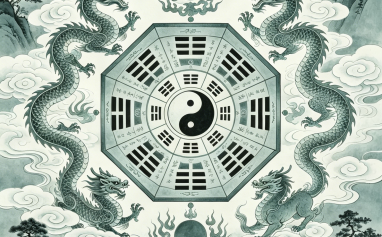
Feng Shui relies heavily on the Taoist concepts of Yin and Yang and the Five Elements (Wood, Fire, Earth, Metal, Water). A harmonious space requires a balance of these forces. For example, a bedroom should lean towards Yin—quiet, dimly lit, and restful—while a living room or office benefits from Yang energy, being bright, active, and airy. When these energies are balanced, your environment actively supports your physical and emotional health rather than draining it.


About author


Add comment